
Narrow weaving, elastic and cord knowledge center
Production and selection guides designed to help you understand applications, dimensions and technical requirements instead of relying on product names alone.
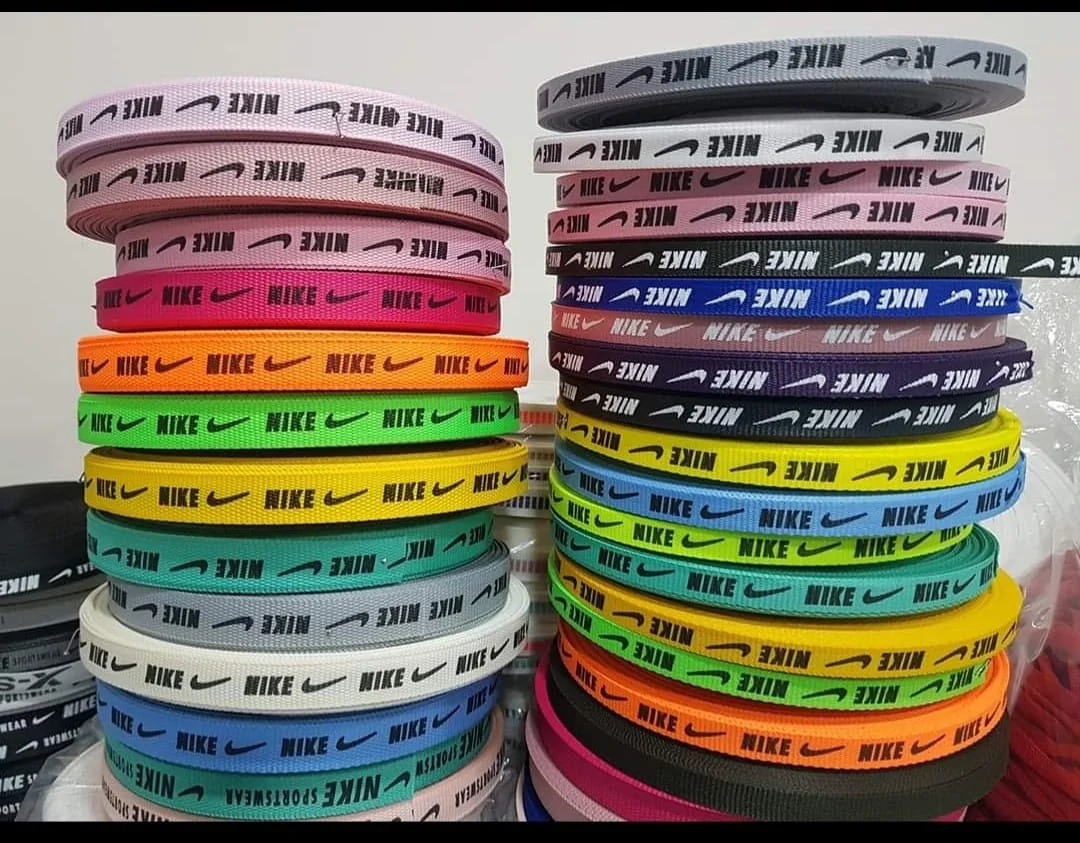
Start product selection from the right question.
The Knowledge Center is structured around search intent and technical topic clusters—not repeated sales copy—so engineers, buyers and product teams can move from a problem to a suitable product family.
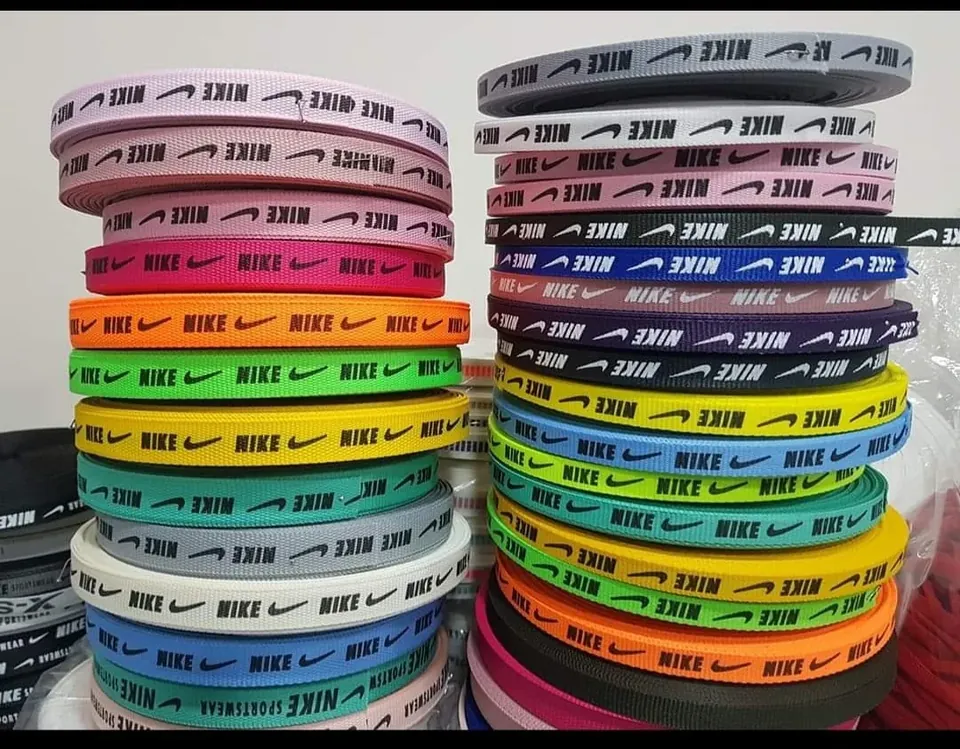
What Is Narrow Weaving? Types, Production and Uses
Narrow weaving is the direct production of textile structures in controlled narrow widths. It includes elastic tapes, non-elastic webbings, decorative bands and project-specific constructions used across apparel and technical products.
Read Guide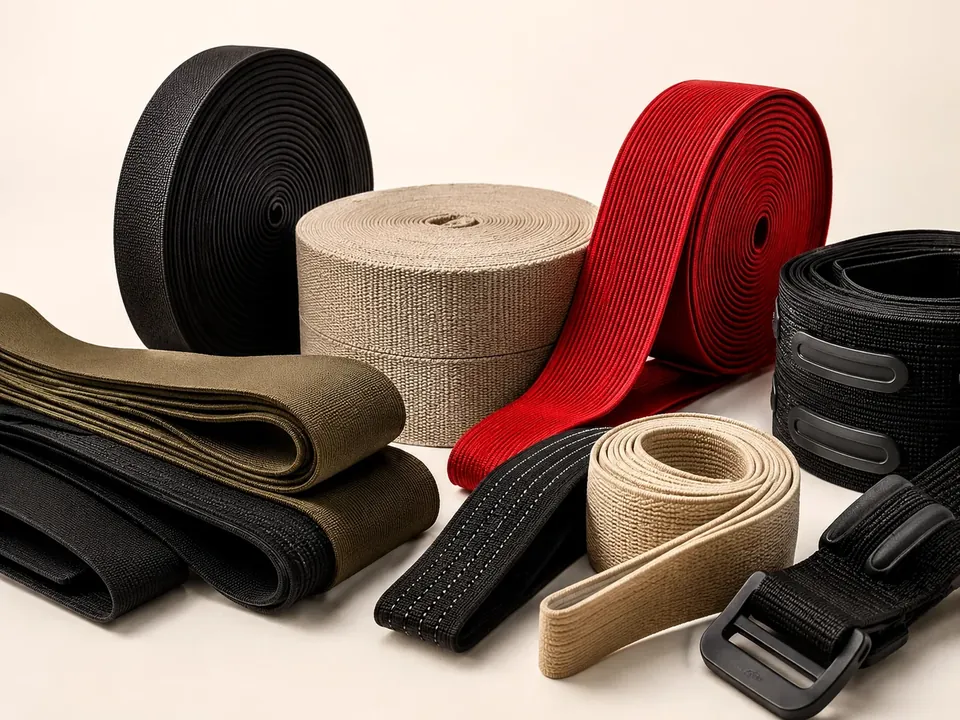
How to Choose Textile Elastic: 8 Technical Selection Criteria
The right textile elastic is not selected from product name alone. Form, dimension, recovery, surface, assembly method and real operating conditions should be evaluated as one system.
Read Guide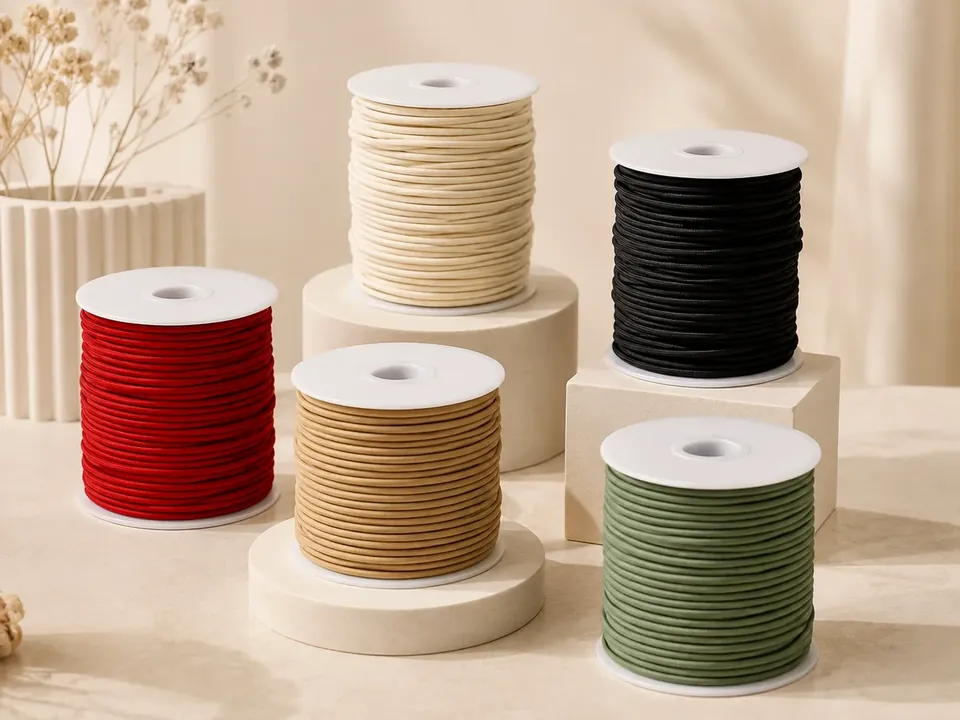
What Is Round Elastic Cord? Braided Elastic Types and Uses
Round elastic cord combines an elastic core with a braided textile cover to create a compact, flexible construction. Diameter, recovery, surface and compatibility with channels or cord locks determine the correct product.
Read GuideNarrow Weaving
A connected cluster covering narrow weaving products, applications, production, width and technical selection.
What Is Narrow Weaving? Types, Production and Uses
Narrow weaving is the direct production of textile structures in controlled narrow widths. It includes elastic tapes, non-elastic webbings, decorative bands and project-specific constructions used across apparel and technical products.
Read Guide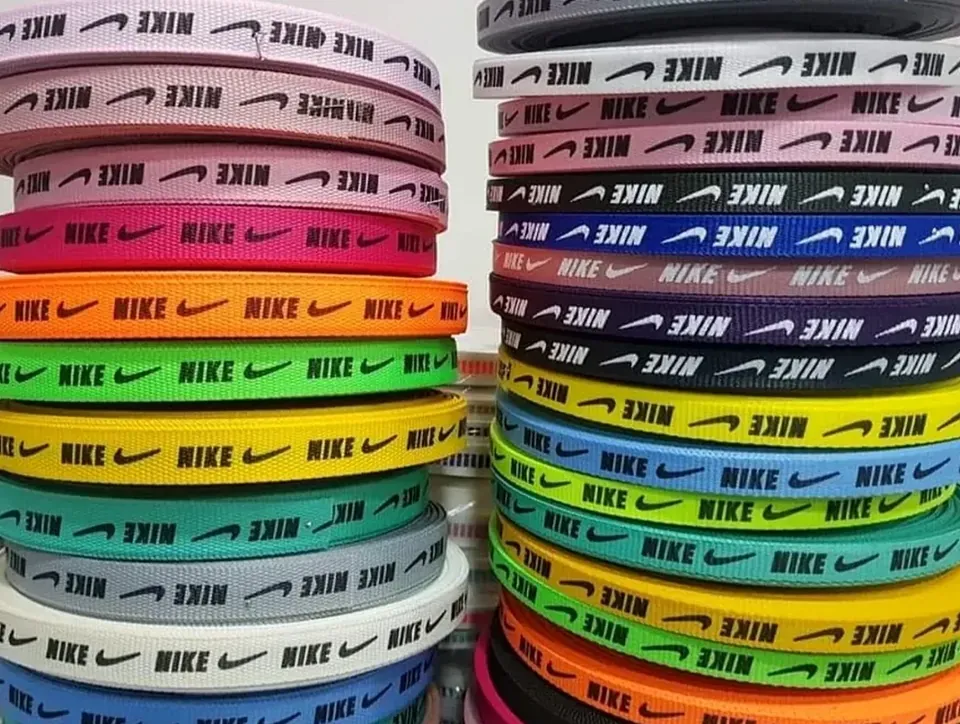
Narrow Woven Elastic Applications: Industry Guide
The best narrow woven elastic is selected from the application backward. Apparel, bags, sports products and technical assemblies can require very different recovery, surface and durability even when the nominal width is identical.
Read Guide
Narrow Weaving Production: Sample to Mass Production
A reliable narrow weaving process begins before the machine starts. Defining the application, sample, width, surface and performance expectation first makes mass production more predictable.
Read Guide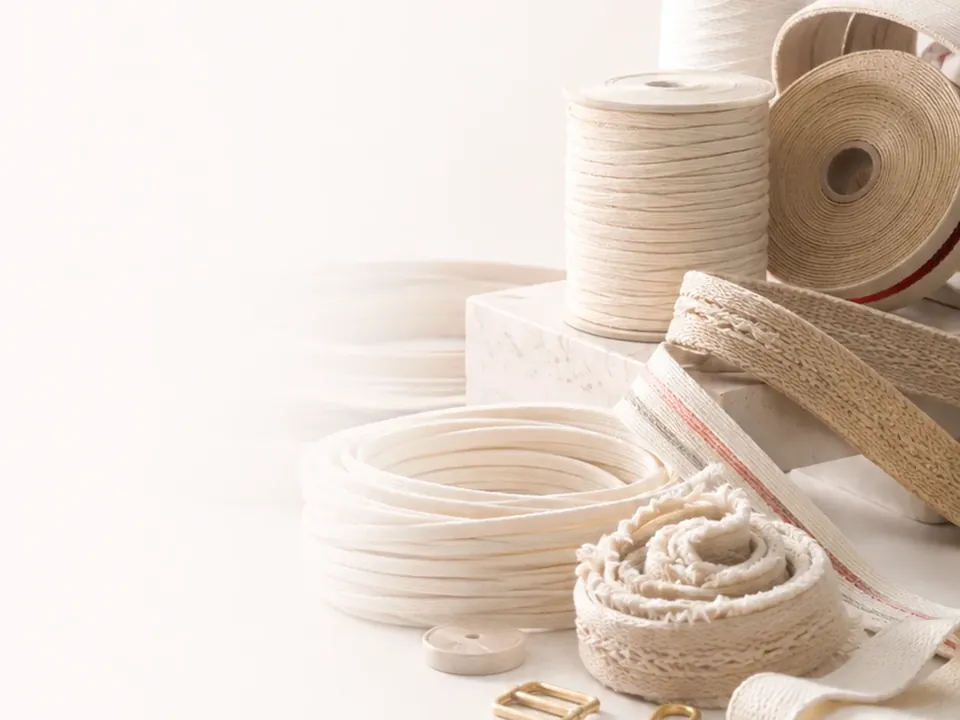
How to Choose Narrow Woven Elastic: Width, Stretch and Surface
Choosing narrow woven elastic requires more than matching a width. The correct construction balances stretch, recovery, surface, edge stability, sewing method and the conditions of the finished product.
Read GuideJacquard Narrow Weaving and Branded Tape Design Guide
Jacquard narrow weaving integrates patterns, lettering or brand details directly into the woven structure. Successful designs balance visual identity with readability, width, yarn behavior and the mechanical requirements of the tape.
Read GuideTechnical Narrow Weaving: Performance & Selection Guide
Technical-textile narrow weaving should be specified around function, repeated loading and assembly conditions rather than appearance alone. The required performance can change significantly between applications.
Read GuideNarrow Weaving Width Selection: How to Choose the Right Size
Narrow-weaving width is a design and performance variable, not just a dimension. The correct width must fit the assembly, distribute force appropriately and remain stable after sewing or repeated use.
Read GuideNarrow Woven Elastic Price Factors: What Affects Cost?
Narrow woven elastic pricing depends on the construction and production plan rather than width alone. Material, density, color, design complexity, winding and order volume can all change the manufacturing cost.
Read GuideRound Elastic
Read related guides together to narrow the correct product family and technical criteria more efficiently.
What Is Round Elastic Cord? Braided Elastic Types and Uses
Round elastic cord combines an elastic core with a braided textile cover to create a compact, flexible construction. Diameter, recovery, surface and compatibility with channels or cord locks determine the correct product.
Read Guide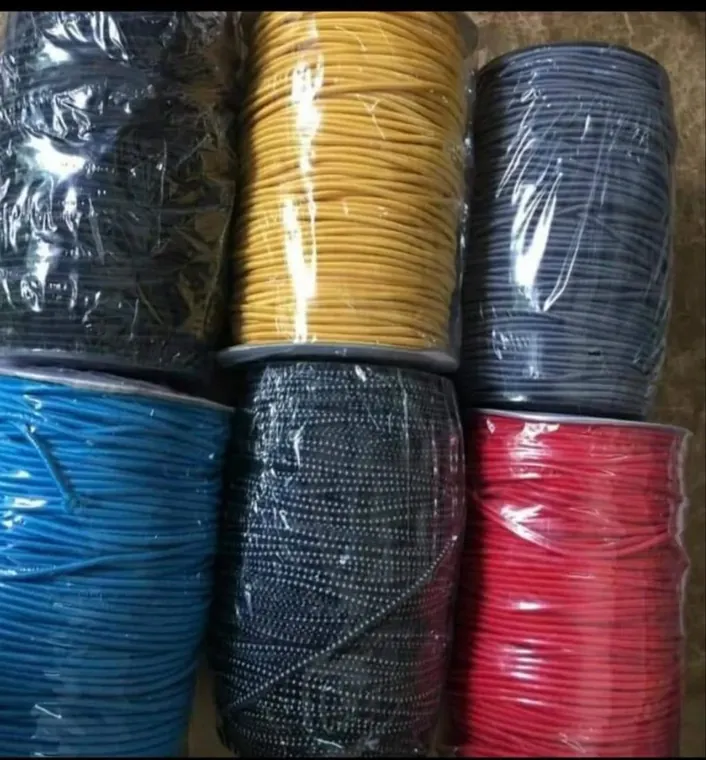
Round Elastic Strand Selection: 5, 10, 15, 20 and 30 Strand
Selecting a strand class is a practical starting point, not the final technical decision. The actual cord diameter, recovery and intended hardware determine whether a 5-, 10-, 15-, 20- or 30-strand construction is suitable.
Read Guide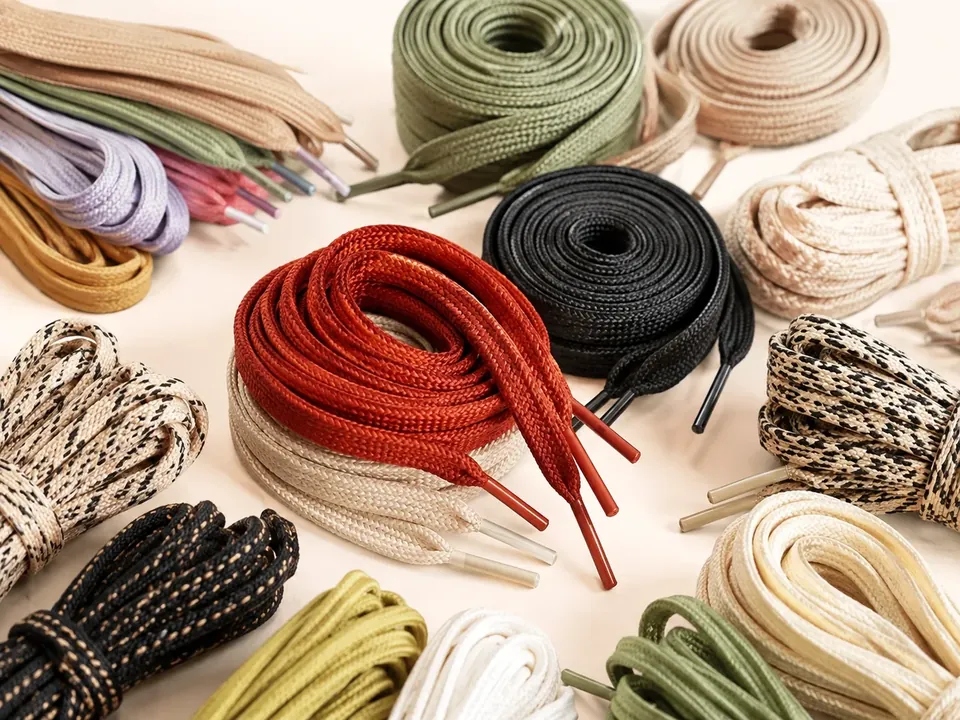
Luggage Elastic and Securing Cord Guide
Luggage elastic and securing cord must hold an item with controlled tension without creating excessive stored energy or damaging the product. Cord construction and attachment geometry should be designed together.
Read Guide5, 10, 15, 20 and 30-Strand Round Elastic Differences
5–30 strand terminology helps organize round elastic product classes, but it is not a universal diameter or strength standard. Actual dimensions and working behavior should always be confirmed.
Read GuideFlat Elastic
Read related guides together to narrow the correct product family and technical criteria more efficiently.
What Is Flat Elastic? Sizes, Applications and Selection Guide
Flat elastic is a ribbon-like elastic construction used when a broad contact surface and controlled stretch are needed. Width, recovery, sewing channel and skin contact are key selection criteria.
Read GuideFlat Elastic Size Selection: 3 mm, 5 mm, 7 mm and 10 mm
Flat elastic width should be selected from the sewing channel and final function, not from a larger-is-better assumption. 3, 5, 7 and 10 mm options serve different contact and profile requirements.
Read Guide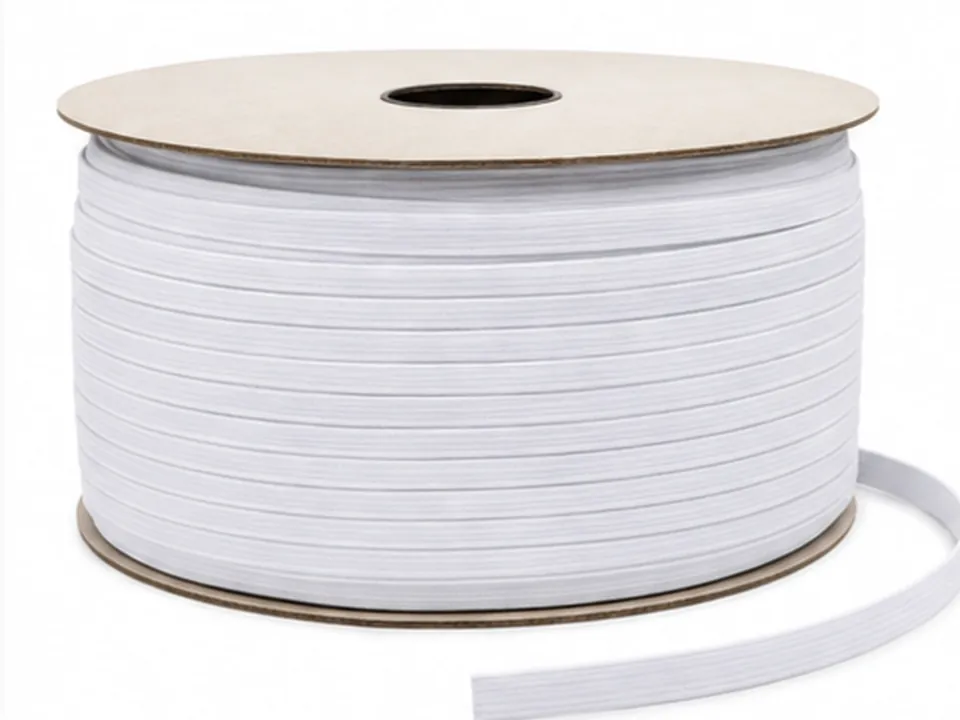
3 mm Flat Elastic Applications and Selection Guide
3 mm flat elastic is a low-profile option for applications with limited space and relatively small contact areas. Its suitability depends on sewing-channel geometry, recovery and comfort rather than width alone.
Read Guide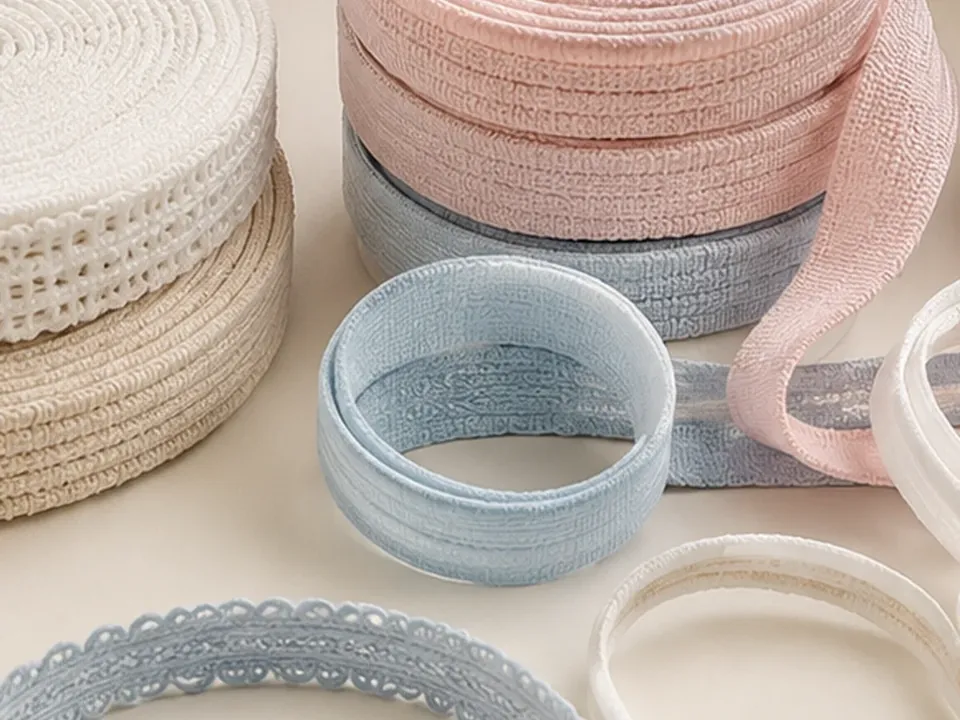
5 mm Flat Elastic Applications and Technical Selection
5 mm flat elastic offers a practical middle ground between very fine elastic and wider tapes. It can provide controlled stretch without adding excessive bulk when the sewing channel and end use are compatible.
Read Guide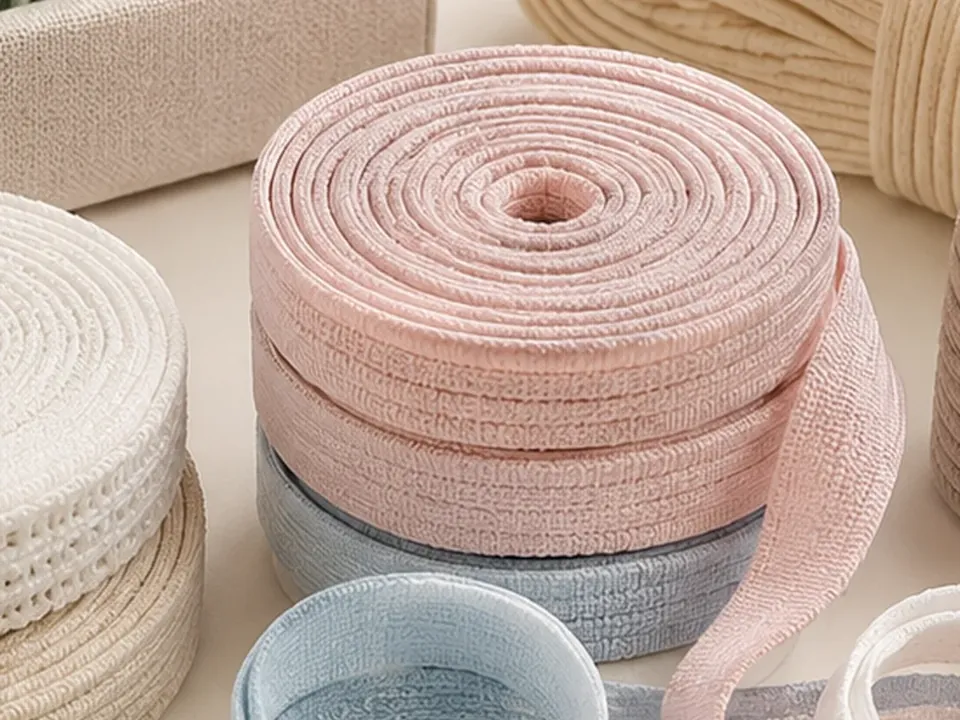
How to Choose 7 mm Flat Elastic: Technical Criteria
7 mm flat elastic provides a noticeably broader contact surface than fine 3–5 mm options. The correct choice balances fit within the channel, comfort, recovery and the visual or technical requirements of the finished product.
Read Guide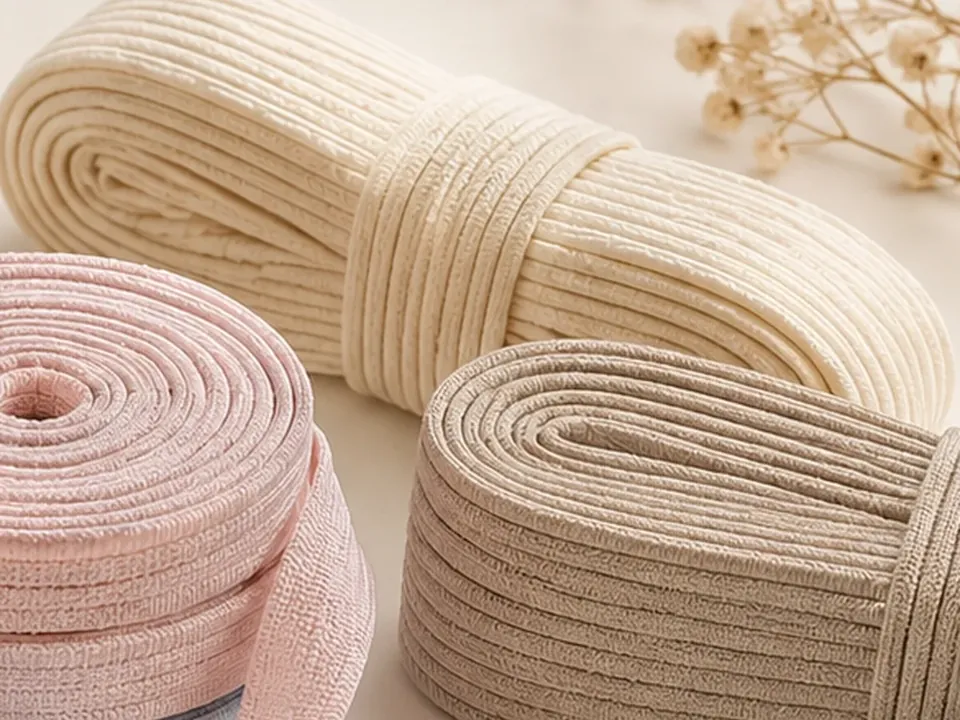
10 mm Flat Elastic Guide: Applications and Selection
10 mm flat elastic offers a wider support surface for apparel and textile applications. The extra width can improve load distribution, but it must still match the channel, sewing method and expected wearer comfort.
Read GuideSelection Guide
Read related guides together to narrow the correct product family and technical criteria more efficiently.
Cords & Accessories
Read related guides together to narrow the correct product family and technical criteria more efficiently.
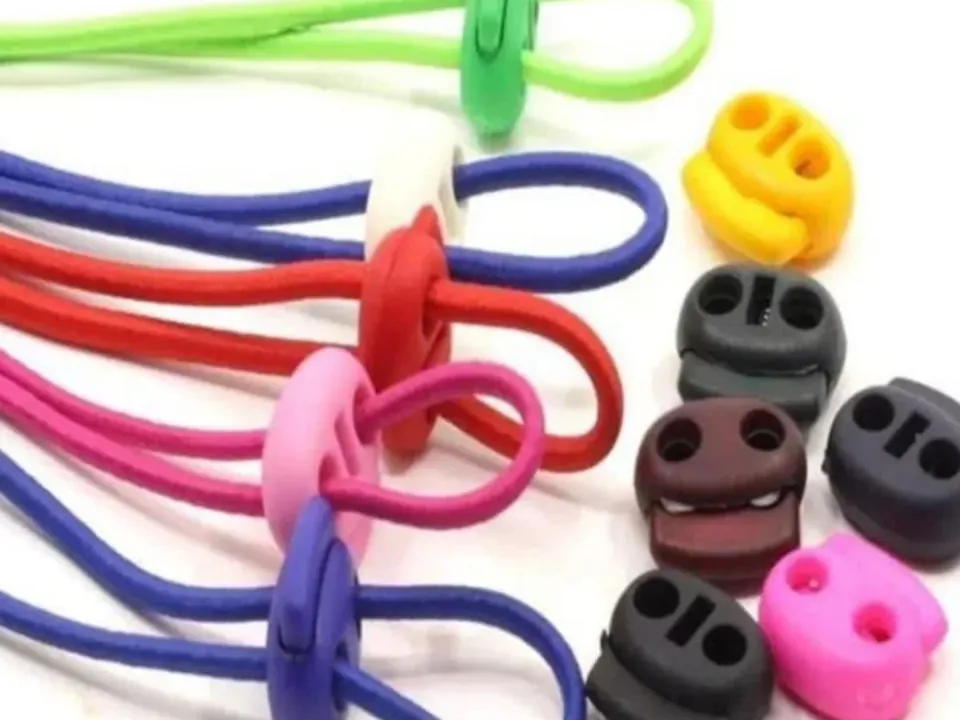
Shock Cord and Cord Lock Systems: Matching Guide
Shock cord and cord locks should be selected as one mechanical-textile system. A good cord can perform poorly in an incompatible lock, and a good lock cannot compensate for the wrong cord diameter or surface.
Read Guide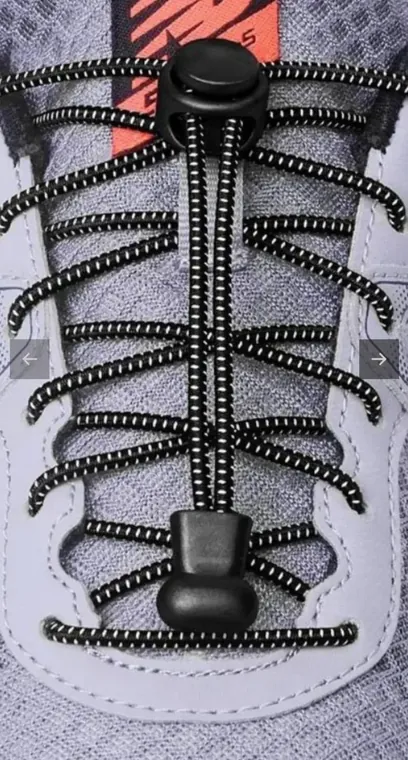
Shoelace and Elastic Cord Selection Guide
Footwear cord selection combines aesthetics with mechanical compatibility. Diameter, braid, color, eyelet friction, cord ends and adjustment hardware should be validated together.
Read GuideTextile Cord and Accessory Selection: Locks, Ends and Cords
Textile cord systems work best when the cord, cord lock, end fitting and attachment are engineered together. Compatibility affects adjustment force, holding, durability and visual quality.
Read GuideApplications
Read related guides together to narrow the correct product family and technical criteria more efficiently.
Color & Custom Production
Read related guides together to narrow the correct product family and technical criteria more efficiently.
Production Process
Read related guides together to narrow the correct product family and technical criteria more efficiently.
Comparison
Read related guides together to narrow the correct product family and technical criteria more efficiently.
Baby Elastic
Read related guides together to narrow the correct product family and technical criteria more efficiently.
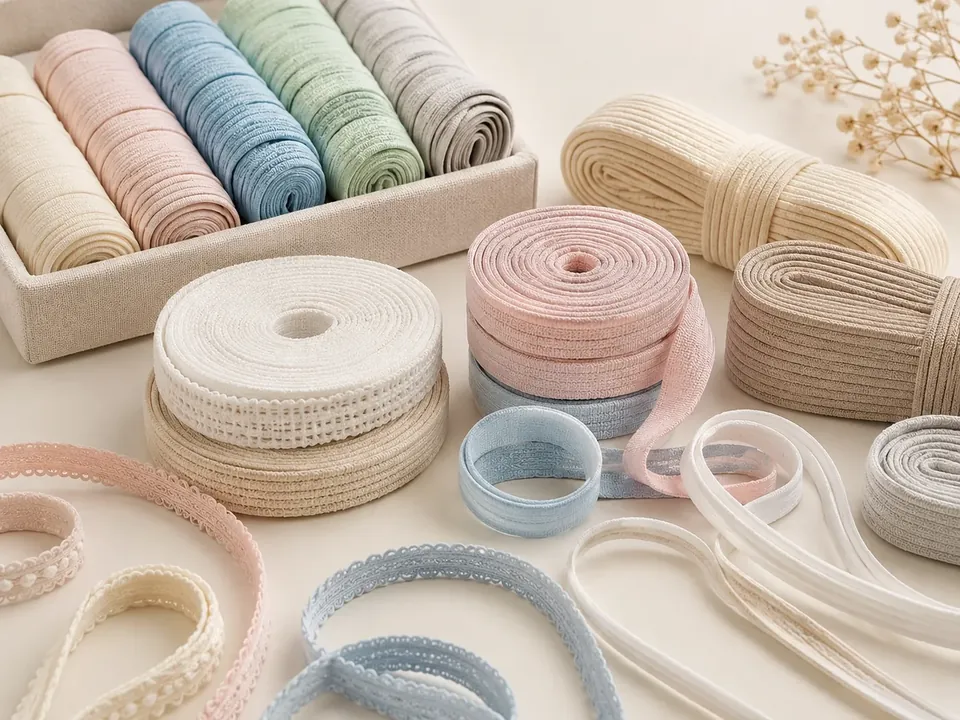
What Is Baby Elastic? Flat and Ribbed Baby Elastic Guide
Baby elastic is a fine elastic family used where low bulk and controlled stretch are important. Flat and ribbed surfaces create different sewing, grip and contact characteristics.
Read GuideFlat vs Ribbed Baby Elastic: What Is the Difference?
Flat and ribbed baby elastic share a fine profile but differ in surface character. That difference can influence grip, appearance, sewing behavior and how the elastic feels in the finished textile product.
Read GuideHow to Select Baby Elastic Size: Sewing and Channel Guide
Baby elastic size should fit the finished sewing channel and provide controlled tension without creating unnecessary pressure or twisting. Fine widths require careful seam and recovery testing.
Read GuideProduction & Sampling
Read related guides together to narrow the correct product family and technical criteria more efficiently.
How to Prepare a Textile Elastic Sample for Technical Matching
A good sample does more than show appearance. It provides enough material and context to compare width, diameter, stretch, recovery, surface and how the elastic interacts with the finished product.
Read Guide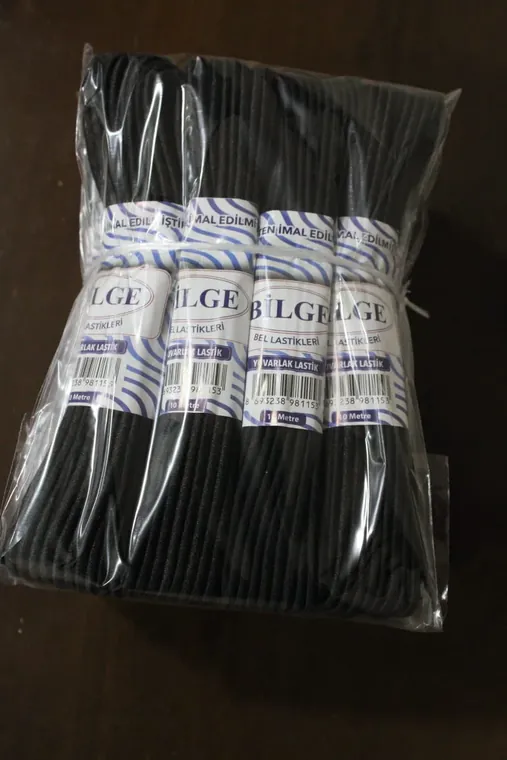
Elastic Winding and Spool Selection for Textile Production
Winding format is an operational part of elastic specification. The right spool length and package can reduce changeovers, improve feeding and simplify storage, while the wrong format can create unnecessary handling.
Read GuideMaterials & Technical
Read related guides together to narrow the correct product family and technical criteria more efficiently.
Move naturally from technical guidance to product pages.
After reading a guide, compare all product families, open narrow woven elastic or review round elastic cord.
You do not need to know the product name.
If you know where the component will be used, start with our application guide. A sample, target dimension and use case make technical matching much faster.