What Is Narrow Weaving? Types, Production and Uses
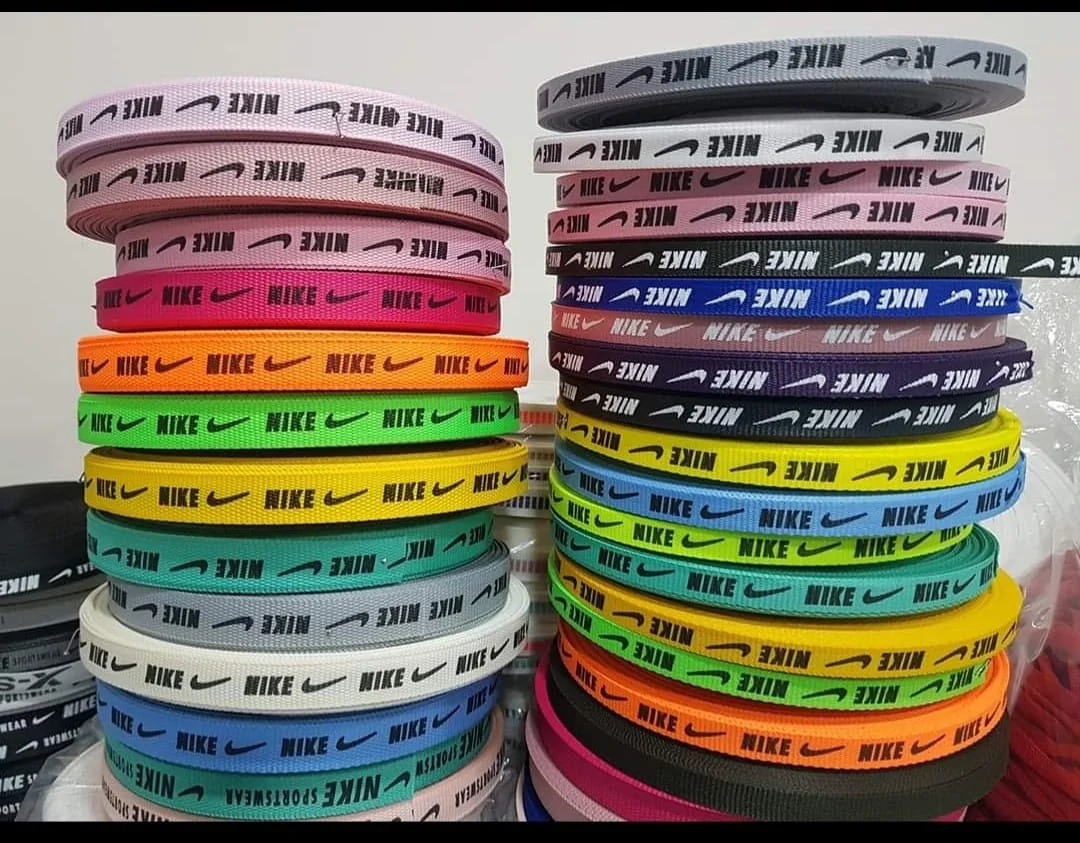
Narrow weaving is the direct production of textile structures in controlled narrow widths. It includes elastic tapes, non-elastic webbings, decorative bands and project-specific constructions used across apparel and technical products.
Custom color & sizeDirect manufacturer contactFast quotation process
Narrow Weaving
Narrow WeavingUpdated: Aug 29, 2026Bilge Örme Technical Content Team
30-SECOND SUMMARY
Quick answer: narrow weaving
Narrow-woven products are produced directly at a narrow width rather than being cut from wide fabric.
Elasticity, width, edge behavior and surface structure must be evaluated together.
A physical sample is often the most reliable reference for custom or replacement production.
Narrow weaving is the direct production of textile structures in controlled narrow widths. It includes elastic tapes, non-elastic webbings, decorative bands and project-specific constructions used across apparel and technical products. This guide is designed to help purchasing, product-development and production teams separate the key technical criteria and move directly to the relevant Bilge Örme product pages.
What does narrow weaving mean?
Narrow weaving describes textile structures produced directly in a limited width on dedicated machinery. Depending on the construction, the output may be elastic, rigid, flat, patterned, fold-over or designed for a specific assembly. Because the structure is created at its final width, the edge behavior and mechanical characteristics are controlled during production.
Which products fall under narrow weaving?
The category includes narrow woven elastic, webbings, tapes, straps and special textile bands. Cords may use a different braiding process, but they are often considered alongside narrow textile components when a complete fastening or adjustment system is being designed.
How is the right width selected?
Width should match the sewing channel, contact area, visual design and mechanical load of the end product. Two tapes with the same width can behave very differently if their yarn density, elastic core or weave structure changes, so width alone is not a sufficient specification.
Why do surface and edge behavior matter?
A visible apparel tape may require a clean, consistent surface, while a technical application may prioritize grip or stability. Edge curling, stiffness after sewing and repeated recovery should be tested in the real application, especially when the tape will contact skin or move through hardware.
How should a custom project be specified?
Share the intended use, target width, color, stretch expectation, estimated quantity and—when available—a physical reference sample. This information helps the manufacturer narrow the construction before mass production and reduces the risk of matching only the appearance while missing the functional behavior.
TECHNICAL NOTE
A product name alone does not guarantee technical equivalence.
Size, surface, working stretch, recovery, sewing or connection method and the final operating conditions should be evaluated together. When replacing an existing component, a physical sample and real use case provide the strongest reference.
Is narrow weaving the same as narrow woven elastic?+
Narrow weaving is the broader production category; narrow woven elastic is the elastic subset of that category.
Can narrow-woven products be produced in custom colors?+
Yes, color and surface options can be evaluated according to the product construction and order requirements.
Why is a sample useful?+
Products with the same nominal width may differ in stretch, recovery, surface and edge behavior. A sample makes technical comparison more reliable.
CONTENT OWNERBilge Örme Technical Content Team
Our content is prepared around Bilge Örme product families and production-focused field experience to support better product selection. Order-specific technical values should be confirmed against the sample and project conditions. Review our technical content policy and production and quality approach.
This content is for general technical guidance. Final product suitability, production construction and performance values may vary according to order conditions and sample approval.