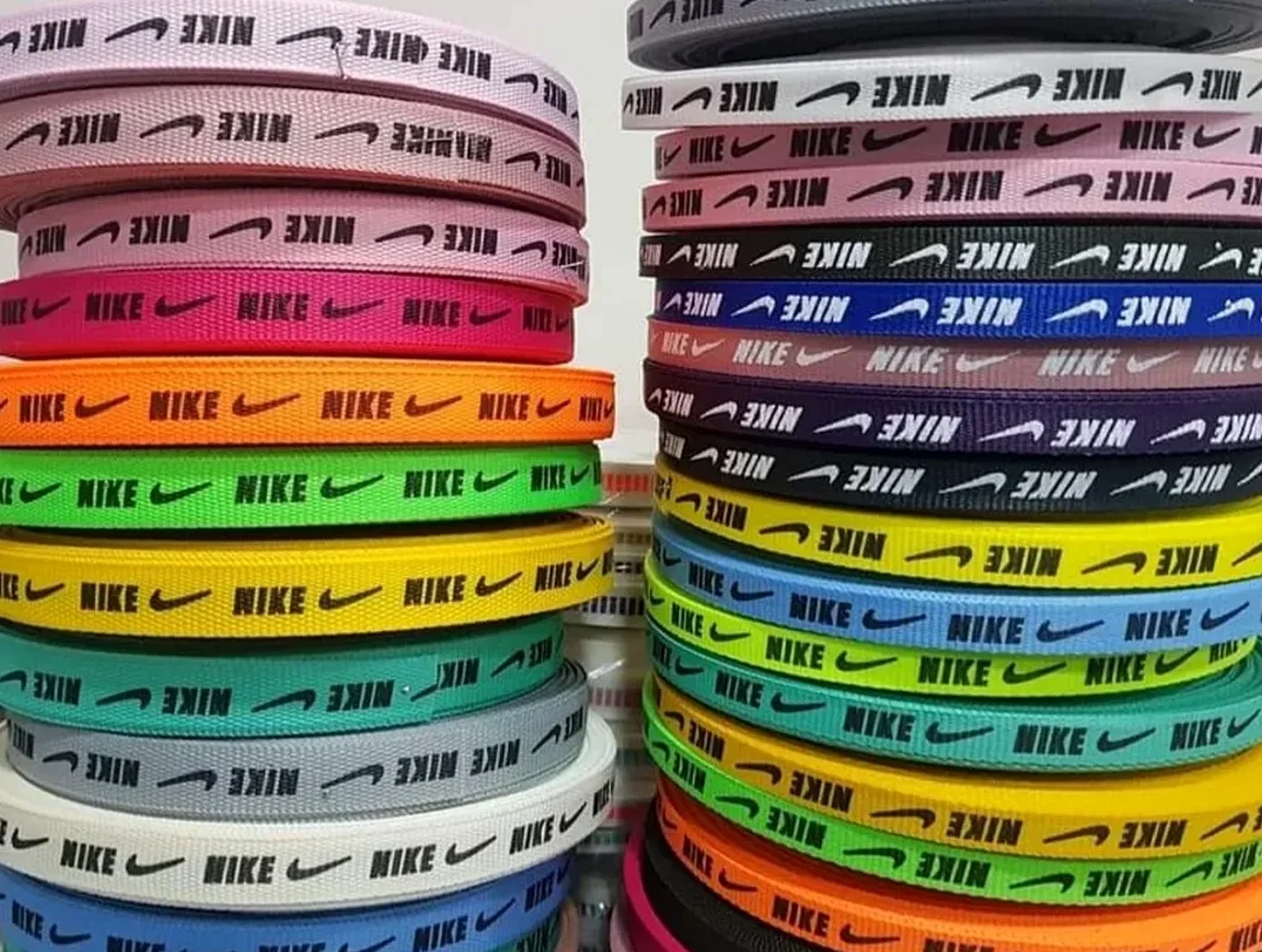
The best narrow woven elastic is selected from the application backward. Apparel, bags, sports products and technical assemblies can require very different recovery, surface and durability even when the nominal width is identical.
Custom color & sizeDirect manufacturer contactFast quotation process
Narrow Weaving
Narrow WeavingUpdated: Aug 29, 2026Bilge Örme Technical Content Team
30-SECOND SUMMARY
Quick answer: narrow woven elastic applications
Apparel prioritizes comfort and recovery; technical uses may prioritize holding force and durability.
Do not select an elastic only by width without understanding its function in the finished product.
Prototype testing under real sewing and loading conditions reduces production risk.
The best narrow woven elastic is selected from the application backward. Apparel, bags, sports products and technical assemblies can require very different recovery, surface and durability even when the nominal width is identical. This guide is designed to help purchasing, product-development and production teams separate the key technical criteria and move directly to the relevant Bilge Örme product pages.
Why should the application come first?
An elastic only proves its suitability in the conditions in which it will work. Waistbands need comfort and repeated recovery, while a bag pocket or technical holder may need higher restraint and compatibility with hardware. Starting with the use case prevents overspecifying or underspecifying the construction.
Apparel and garment applications
Narrow woven elastic is widely used at waists, cuffs, underwear, sportswear and childrenswear. The channel width, contact with skin and sewing method should be considered together. For thinner constructions, compare flat elastic and baby elastic as alternatives.
Bags, footwear and outdoor products
Elastic can secure pockets, compress equipment or create adjustment zones. In footwear and outdoor gear, round elastic cord and cord locks may be more suitable than flat webbing, so cord and accessory solutions should be evaluated as a complete system.
Furniture and technical textiles
Technical applications may place greater emphasis on repeated loading, friction, attachment geometry and long-term dimensional stability. There is no universal “best” elastic for every technical application; the product should be validated against the actual load and assembly.
What information improves a quotation?
Provide the application, function, target width or diameter, color, estimated quantity and any existing sample. This allows the manufacturer to match the project to a suitable product family and propose a more useful sample or production route.
TECHNICAL NOTE
A product name alone does not guarantee technical equivalence.
Size, surface, working stretch, recovery, sewing or connection method and the final operating conditions should be evaluated together. When replacing an existing component, a physical sample and real use case provide the strongest reference.
Yes in suitable designs, although round elastic cord and cord-lock systems are also common and should be compared.
Which elastic is suitable for furniture?+
The answer depends on load, attachment method and stretch requirement, so a sample-based evaluation is recommended.
Can one elastic be used for both apparel and technical products?+
Sometimes, but comfort, durability and surface requirements can differ significantly and should be verified separately.
CONTENT OWNERBilge Örme Technical Content Team
Our content is prepared around Bilge Örme product families and production-focused field experience to support better product selection. Order-specific technical values should be confirmed against the sample and project conditions. Review our technical content policy and production and quality approach.
This content is for general technical guidance. Final product suitability, production construction and performance values may vary according to order conditions and sample approval.