1. Start with a reliable color reference
Use a physical sample, standardized color reference or approved existing component. Screens vary by device and cannot represent yarn sheen, texture or lighting accurately.
Custom color production is more reliable when the color is defined with a physical reference and approved on the actual textile construction. Screen colors alone are not sufficient for critical brand matching.
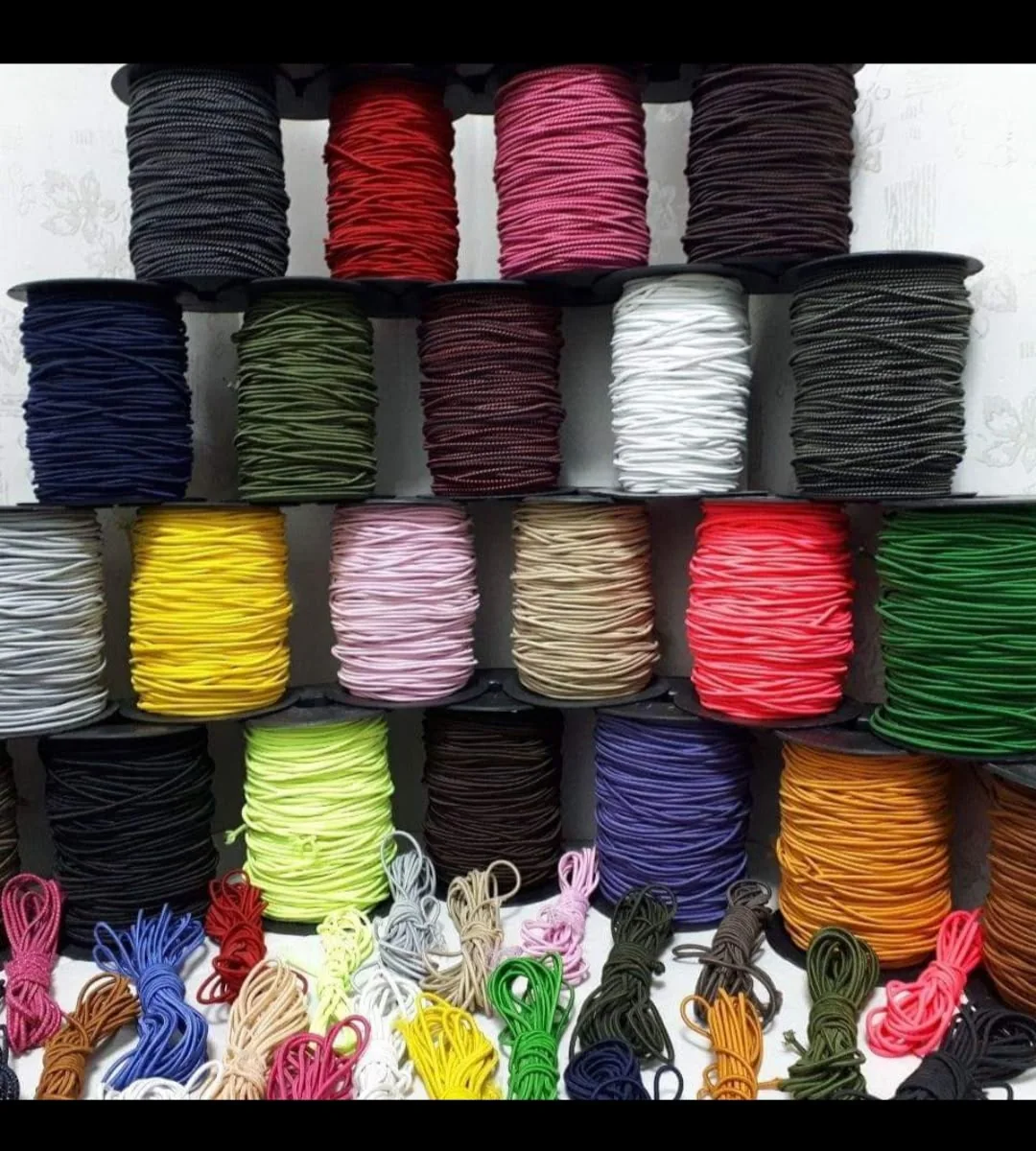
Custom color production is more reliable when the color is defined with a physical reference and approved on the actual textile construction. Screen colors alone are not sufficient for critical brand matching. This guide is designed to help purchasing, product-development and production teams separate the key technical criteria and move directly to the relevant Bilge Örme product pages.
Use a physical sample, standardized color reference or approved existing component. Screens vary by device and cannot represent yarn sheen, texture or lighting accurately.
The same yarn color can look different on a dense flat tape and a round braid. Approve the finished textile construction, not only a loose yarn sample.
Daylight, warm indoor light and cool industrial light can change the perceived match. If the product will be sold or used in different environments, review the sample under representative lighting.
Stretch can open the textile structure and reveal the elastic core or alter visual density. Test the product both relaxed and extended, and include washing or abrasion checks if relevant to the application.
Record the approved reference, construction, yarn and project details so repeat orders can be compared consistently. For brand-critical colors, retain an approved physical sample as the production reference.
Size, surface, working stretch, recovery, sewing or connection method and the final operating conditions should be evaluated together. When replacing an existing component, a physical sample and real use case provide the strongest reference.
It is useful for communication but not sufficient for final textile approval; a physical reference is preferable.
Stretch changes yarn spacing and can expose underlying components, altering perceived color.
Consistency can be improved by documenting the approved reference and retaining a physical standard, while normal textile batch variation should still be considered.
Our content is prepared around Bilge Örme product families and production-focused field experience to support better product selection. Order-specific technical values should be confirmed against the sample and project conditions. Review our technical content policy and production and quality approach.
Talk directly with the manufacturer about recurring production, custom colors, winding and packaging requirements.