Step 1: Define the requirement
Describe the application, form, width or diameter, color, working stretch, expected quantity and any special packaging or winding. If replacing an existing material, provide a physical sample where possible.
Moving from a sample to stable mass production requires clear technical and operational decisions. Product construction, color, winding, quantity and acceptance criteria should be confirmed before the recurring production plan begins.
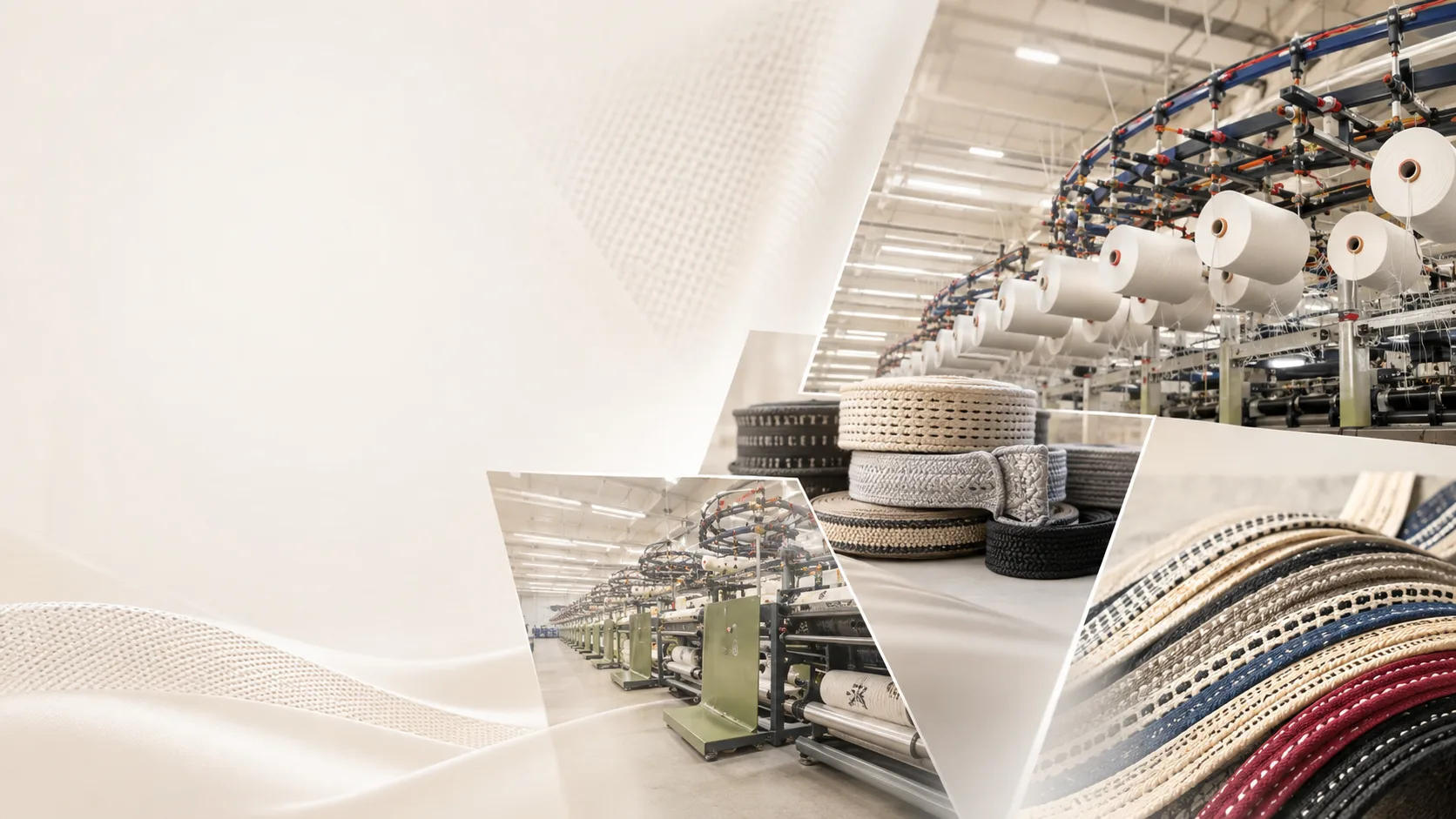
Moving from a sample to stable mass production requires clear technical and operational decisions. Product construction, color, winding, quantity and acceptance criteria should be confirmed before the recurring production plan begins. This guide is designed to help purchasing, product-development and production teams separate the key technical criteria and move directly to the relevant Bilge Örme product pages.
Describe the application, form, width or diameter, color, working stretch, expected quantity and any special packaging or winding. If replacing an existing material, provide a physical sample where possible.
The manufacturer narrows the appropriate product family and prepares or identifies a representative sample. The customer should test it in the real sewing, hardware or loading environment.
Confirm dimensions, surface, color, recovery and any relevant performance requirement. Visible products may need additional color approval, while technical assemblies may need cycling or hardware tests.
Spool length, packaging unit and delivery schedule affect manufacturing and the customer’s own operation. Agreeing these early helps reduce unnecessary handling and improves repeatability.
Production follows the approved reference and order conditions. Key checks are performed before shipment, and approved samples or technical notes should be retained to support future repeat orders.
Size, surface, working stretch, recovery, sewing or connection method and the final operating conditions should be evaluated together. When replacing an existing component, a physical sample and real use case provide the strongest reference.
It creates a strong reference, but repeat orders should still be checked against agreed specifications and normal production tolerances.
Before mass production, because winding affects both manufacturing and how the material is used in the customer’s line.
A physical sample combined with its end-use information is generally the most useful starting point.
Our content is prepared around Bilge Örme product families and production-focused field experience to support better product selection. Order-specific technical values should be confirmed against the sample and project conditions. Review our technical content policy and production and quality approach.
Talk directly with the manufacturer about recurring production, custom colors, winding and packaging requirements.