Why does winding matter?
The elastic arrives at the customer as an input to another production process. Spool diameter, length and winding quality influence how easily that material can be stored, mounted and fed into the line.
Winding format is an operational part of elastic specification. The right spool length and package can reduce changeovers, improve feeding and simplify storage, while the wrong format can create unnecessary handling.
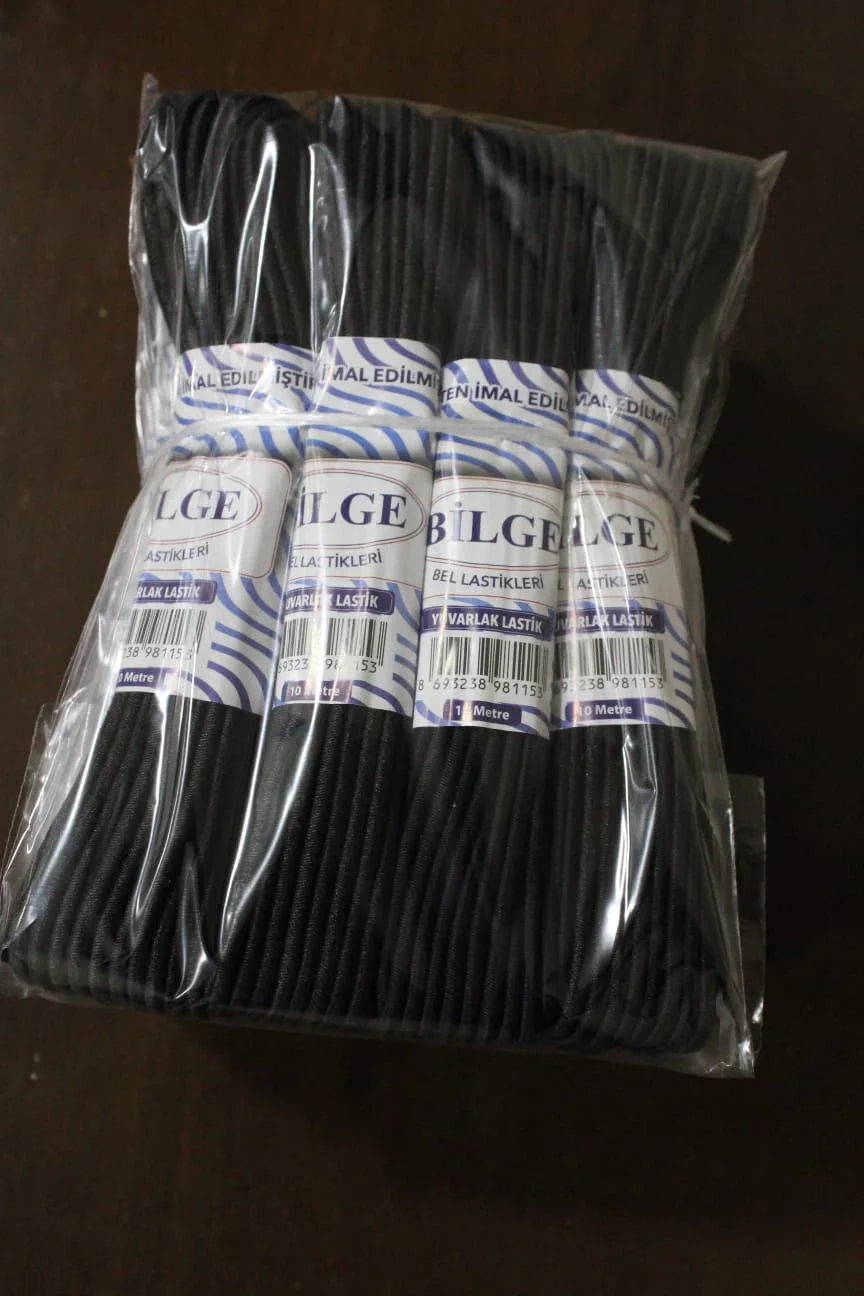
Winding format is an operational part of elastic specification. The right spool length and package can reduce changeovers, improve feeding and simplify storage, while the wrong format can create unnecessary handling. This guide is designed to help purchasing, product-development and production teams separate the key technical criteria and move directly to the relevant Bilge Örme product pages.
The elastic arrives at the customer as an input to another production process. Spool diameter, length and winding quality influence how easily that material can be stored, mounted and fed into the line.
Longer continuous lengths can reduce operator changeovers, while smaller packages can be easier to handle or better suited to small-batch production. The ideal format depends on the customer’s equipment and workflow.
Elastic should not be stored under inappropriate tension that changes its apparent dimensions or complicates feeding. Winding should remain stable without crushing or loosening during transport and use.
Labels, lot references and consistent packaging can make incoming inspection and inventory management easier, particularly for recurring production and multiple color variants.
Share preferred spool length, package quantity and machine requirements during quotation. This allows production planning to incorporate the operational format rather than repacking material after manufacturing.
Size, surface, working stretch, recovery, sewing or connection method and the final operating conditions should be evaluated together. When replacing an existing component, a physical sample and real use case provide the strongest reference.
No. It reduces changeovers but may be harder to handle or incompatible with some machines and storage systems.
Yes. Inappropriate tension can influence handling and apparent dimensions, so controlled winding is important.
Yes, especially for recurring production where operational efficiency and consistency matter.
Our content is prepared around Bilge Örme product families and production-focused field experience to support better product selection. Order-specific technical values should be confirmed against the sample and project conditions. Review our technical content policy and production and quality approach.
Talk directly with the manufacturer about recurring production, custom colors, winding and packaging requirements.