Start with the lacing system
Traditional eyelets, textile loops, speed hooks and cord-lock systems create different friction and diameter limits. Define the complete route of the cord before choosing the construction.
Footwear cord selection combines aesthetics with mechanical compatibility. Diameter, braid, color, eyelet friction, cord ends and adjustment hardware should be validated together.
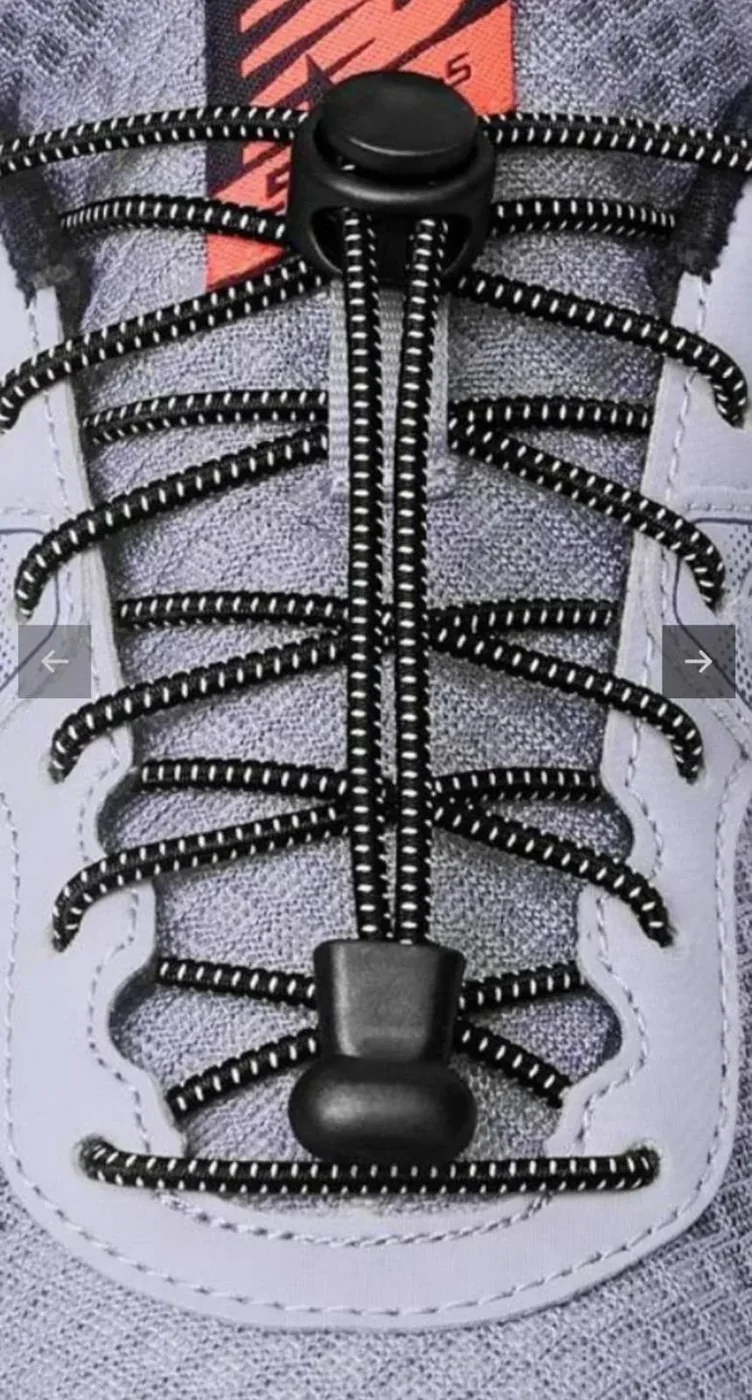
Footwear cord selection combines aesthetics with mechanical compatibility. Diameter, braid, color, eyelet friction, cord ends and adjustment hardware should be validated together. This guide is designed to help purchasing, product-development and production teams separate the key technical criteria and move directly to the relevant Bilge Örme product pages.
Traditional eyelets, textile loops, speed hooks and cord-lock systems create different friction and diameter limits. Define the complete route of the cord before choosing the construction.
Fine cords reduce bulk, while fuller cords create a stronger visual presence. A round or flat profile can also change how the lace sits against the shoe and how easily it moves through eyelets.
Visible cords are part of the footwear design. Custom colors can support seasonal collections or brand identity, but final approval should be made on physical yarn and the finished braid.
Tips, heat treatment, molded ends and cord locks affect handling and durability. The chosen accessory must match the cord dimension and the manufacturing process of the shoe.
Test lacing, tightening, release, abrasion through eyelets and repeated use. This confirms that the cord feels right to the user and remains compatible with the selected hardware.
Size, surface, working stretch, recovery, sewing or connection method and the final operating conditions should be evaluated together. When replacing an existing component, a physical sample and real use case provide the strongest reference.
Yes in suitable footwear designs, especially quick-adjust and sports systems, but hardware compatibility must be checked.
Custom color options can be evaluated according to yarn and order conditions.
Excessive friction can make adjustment difficult and accelerate wear on both cord and eyelet.
Our content is prepared around Bilge Örme product families and production-focused field experience to support better product selection. Order-specific technical values should be confirmed against the sample and project conditions. Review our technical content policy and production and quality approach.
Talk directly with the manufacturer about recurring production, custom colors, winding and packaging requirements.