
Flat Elastic Tape Sizes and Types
Flat elastic options from 3 mm to 10 mm for apparel and textile applications that require different contact widths, sewing-channel sizes and support levels.
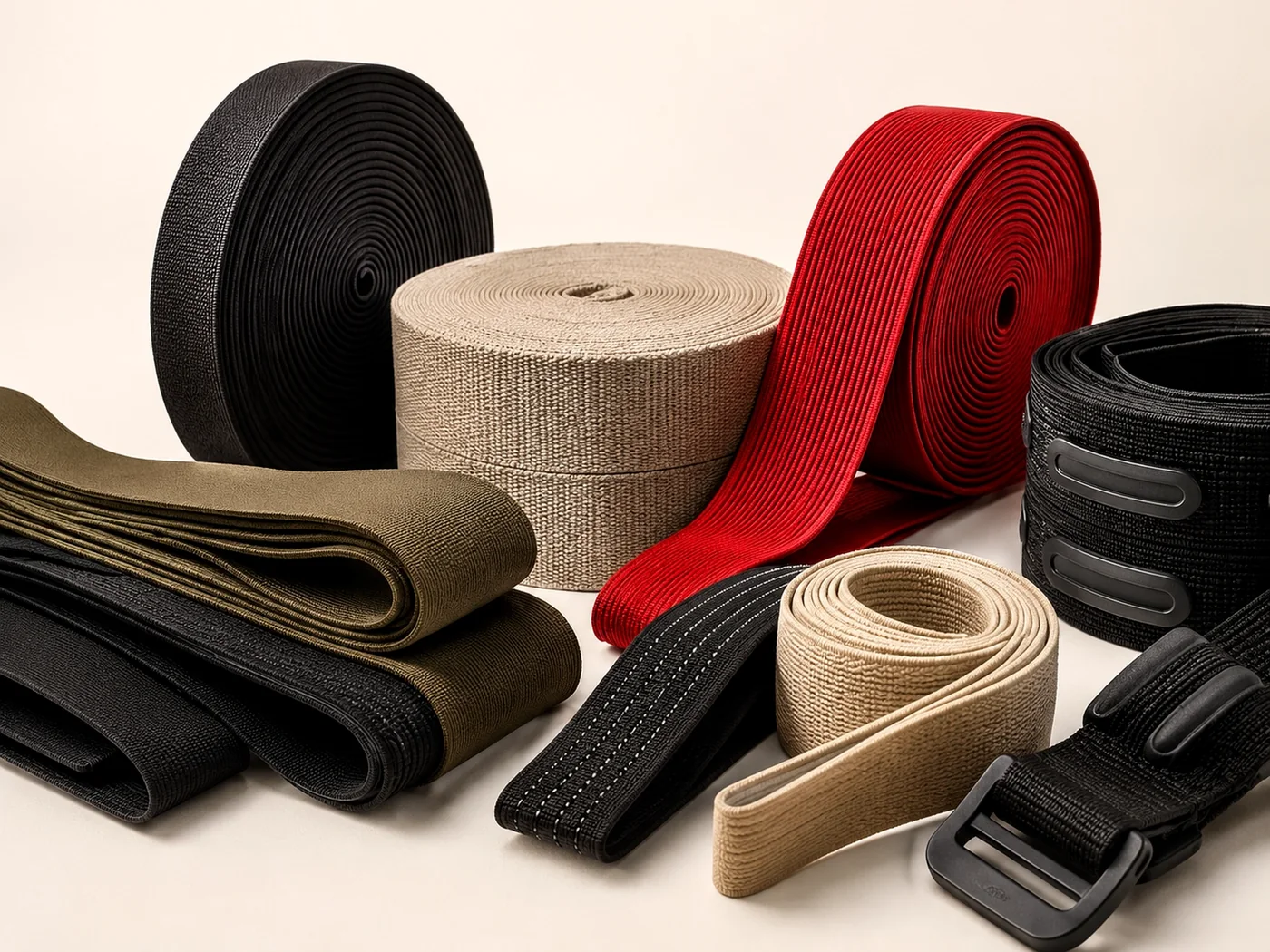
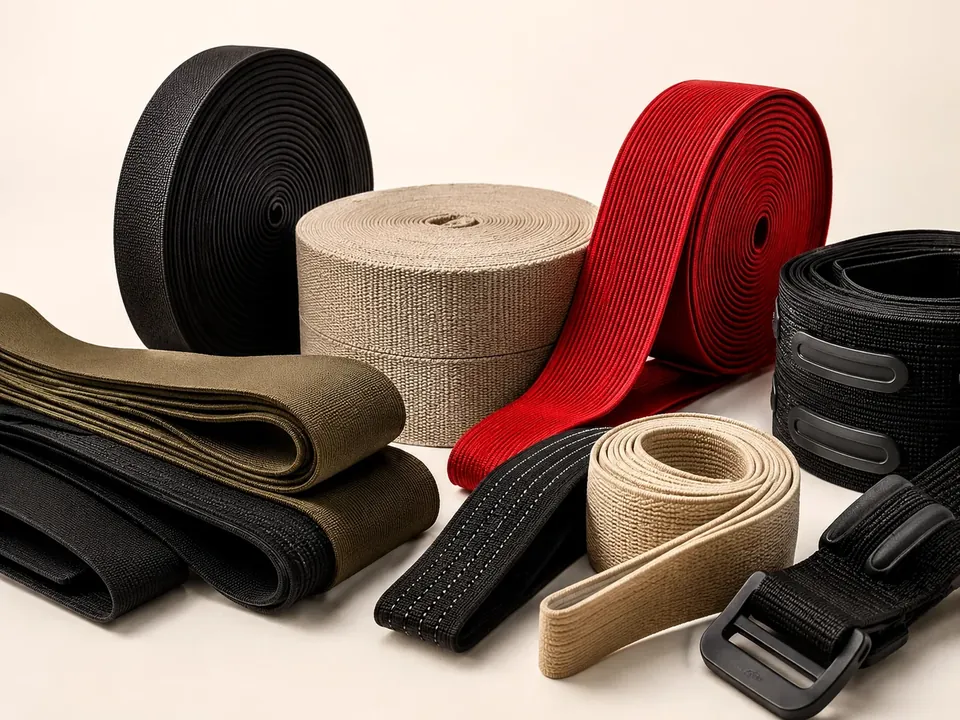 Flat Elastic
How should flat elastic width be selected?
Flat elastic width should match the finished sewing channel, contact area, wearer comfort and the visibility of the elastic in the final product. Wider is not automatically stronger or more suitable.
Compare products by actual application and technical requirement—not by name or nominal size alone. For the broader selection method, read our textile elastic selection guide.
Open this family in the comparison tableCompare
available models.
Review different sizes and constructions separately, then narrow the product that best fits your application.
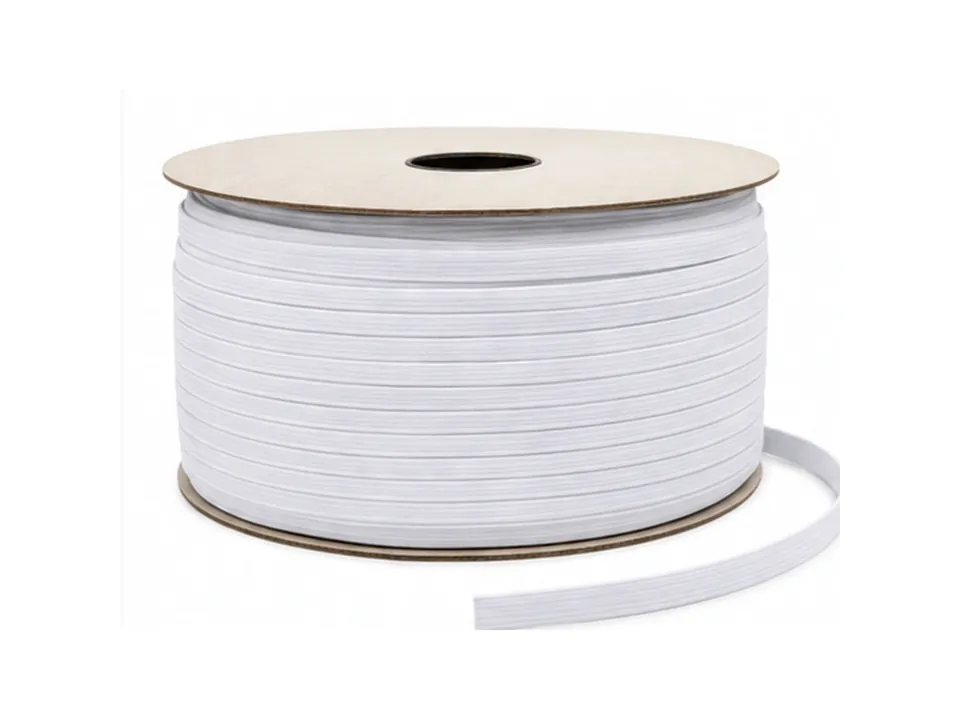
3 mm Flat Elastic
For textile applications that require a narrow, low-profile elastic, 3 mm flat elastic provides functional stretch with minimal bulk.
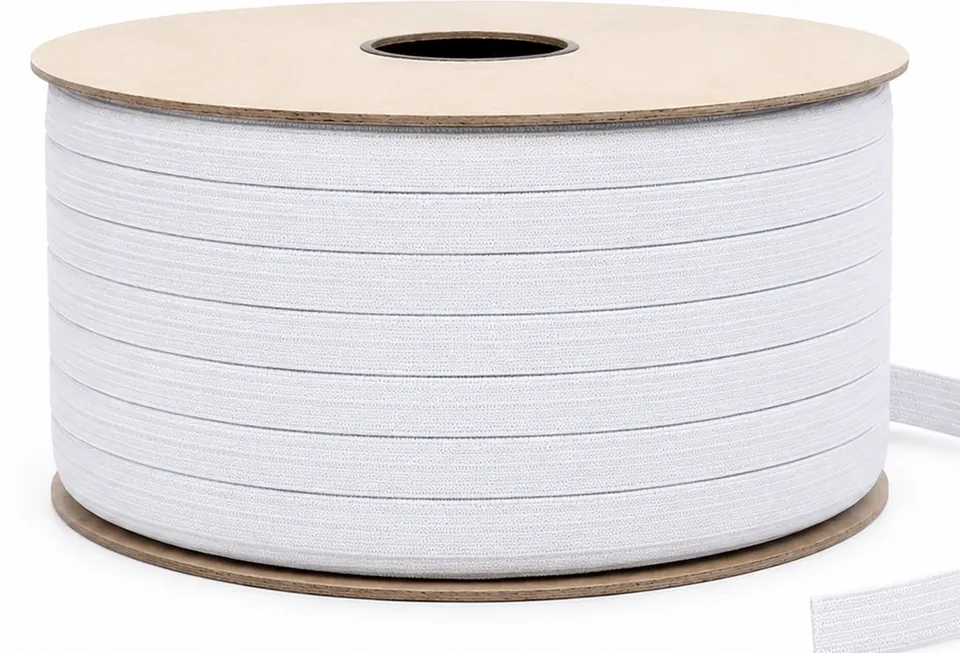
5 mm Flat Elastic
With its narrow woven form, 5 mm flat elastic provides controlled stretch for apparel, accessories and a wide range of textile applications.
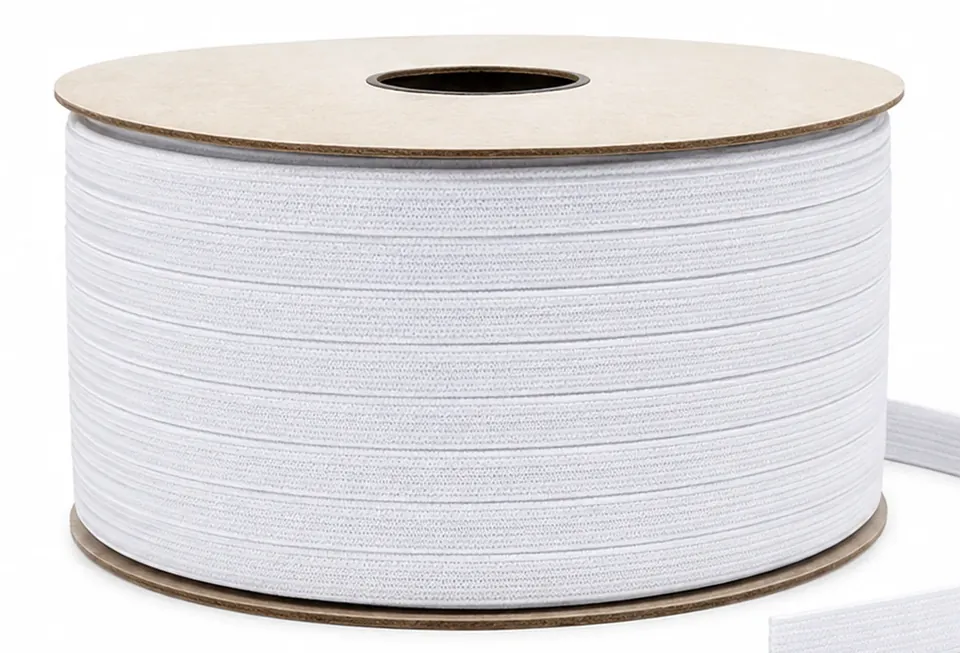
7 mm Flat Elastic
7 mm flat elastic offers a wider contact surface and more pronounced grip for textile applications that need additional support.
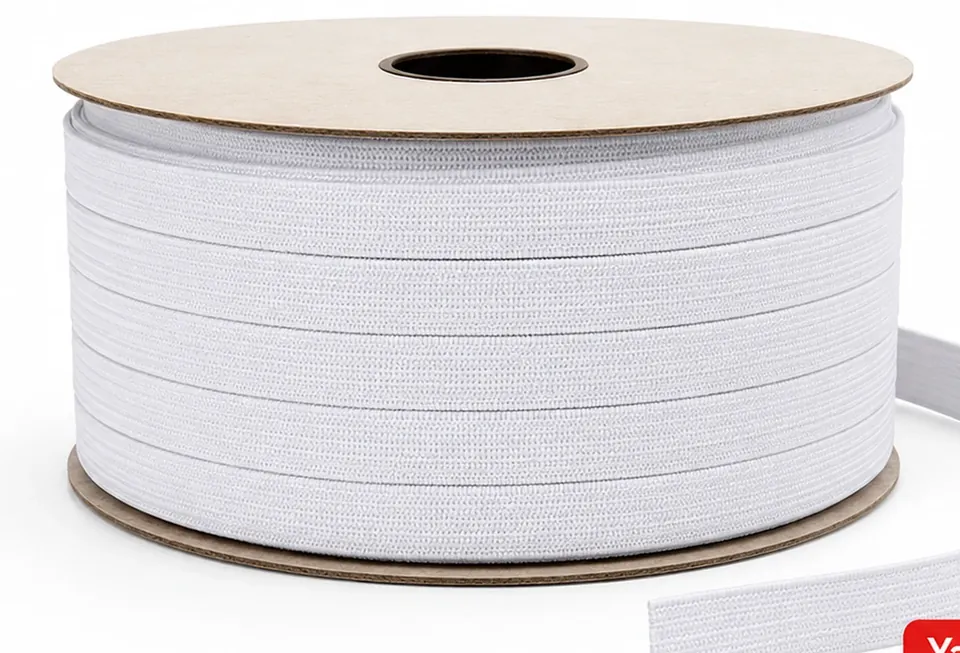
10 mm Flat Elastic
10 mm flat elastic provides a broader contact surface in apparel and textile production, balancing stretch, support and wearer comfort.
Flat Elastic guides
Use our technical guides to compare dimensions, applications and practical selection criteria alongside the product pages.
The role of flat elastic in apparel production
Flat elastic is widely used in waist, cuff, underwear, childrenswear and accessory applications because it distributes tension across a broad, low-profile surface.
Why do winding and color matter?
For recurring production, spool length affects machine feeding and changeover frequency. In visible applications, color and surface become part of the product design and should be approved physically.
Short answers to support selection.
What is the main difference between 3 mm and 10 mm flat elastic?+
The most visible difference is contact width. The correct choice depends on the channel, function and desired support.
Can flat elastic be made in custom colors?+
Custom color options can be evaluated according to product and order requirements.
Where is flat elastic used?+
Common applications include apparel, underwear, childrenswear, accessories and selected technical textiles.