Start from the channel or attachment
Measure the real channel, slot, buckle or sewn area that will receive the tape. The nominal design width can change after stitching and finishing.
Narrow-weaving width is a design and performance variable, not just a dimension. The correct width must fit the assembly, distribute force appropriately and remain stable after sewing or repeated use.
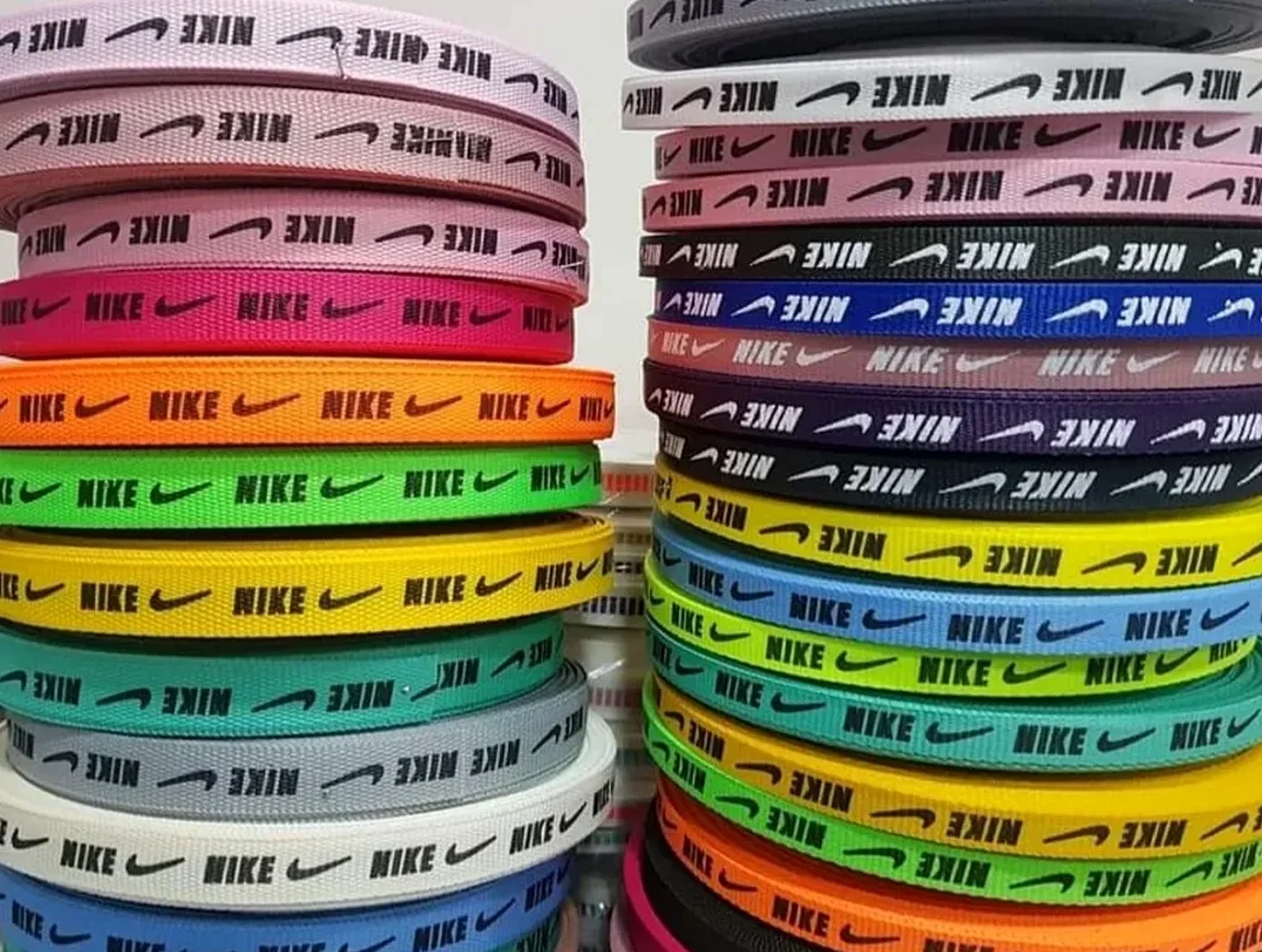
Narrow-weaving width is a design and performance variable, not just a dimension. The correct width must fit the assembly, distribute force appropriately and remain stable after sewing or repeated use. This guide is designed to help purchasing, product-development and production teams separate the key technical criteria and move directly to the relevant Bilge Örme product pages.
Measure the real channel, slot, buckle or sewn area that will receive the tape. The nominal design width can change after stitching and finishing.
Wider webbing can distribute force and create a stronger visual presence, while narrow tapes reduce bulk and fit compact assemblies. Neither is automatically better.
The tape should remain flat without curling or folding under the chosen stitch. Edge construction and stiffness are especially important at narrow widths.
If the tape passes through a buckle, loop or slot, width and thickness must both be compatible. Hardware edges should not create excessive abrasion.
Test the tape in the finished product under realistic load and movement. If two widths are possible, side-by-side prototypes often make the trade-off much clearer.
Size, surface, working stretch, recovery, sewing or connection method and the final operating conditions should be evaluated together. When replacing an existing component, a physical sample and real use case provide the strongest reference.
No. Strength depends on weave, yarn and construction as well as width.
Enough for smooth operation without excessive lateral movement; the exact clearance depends on thickness and hardware design.
Custom width options can be evaluated according to product construction and project requirements.

Our content is prepared around Bilge Örme product families and production-focused field experience to support better product selection. Order-specific technical values should be confirmed against the sample and project conditions. Review our technical content policy and production and quality approach.
Talk directly with the manufacturer about recurring production, custom colors, winding and packaging requirements.