Map every component in the system
List the cord, eyelet or channel, cord lock, end fitting and anchoring method. A mismatch at any one interface can reduce performance even when each component looks correct by itself.
Textile cord systems work best when the cord, cord lock, end fitting and attachment are engineered together. Compatibility affects adjustment force, holding, durability and visual quality.
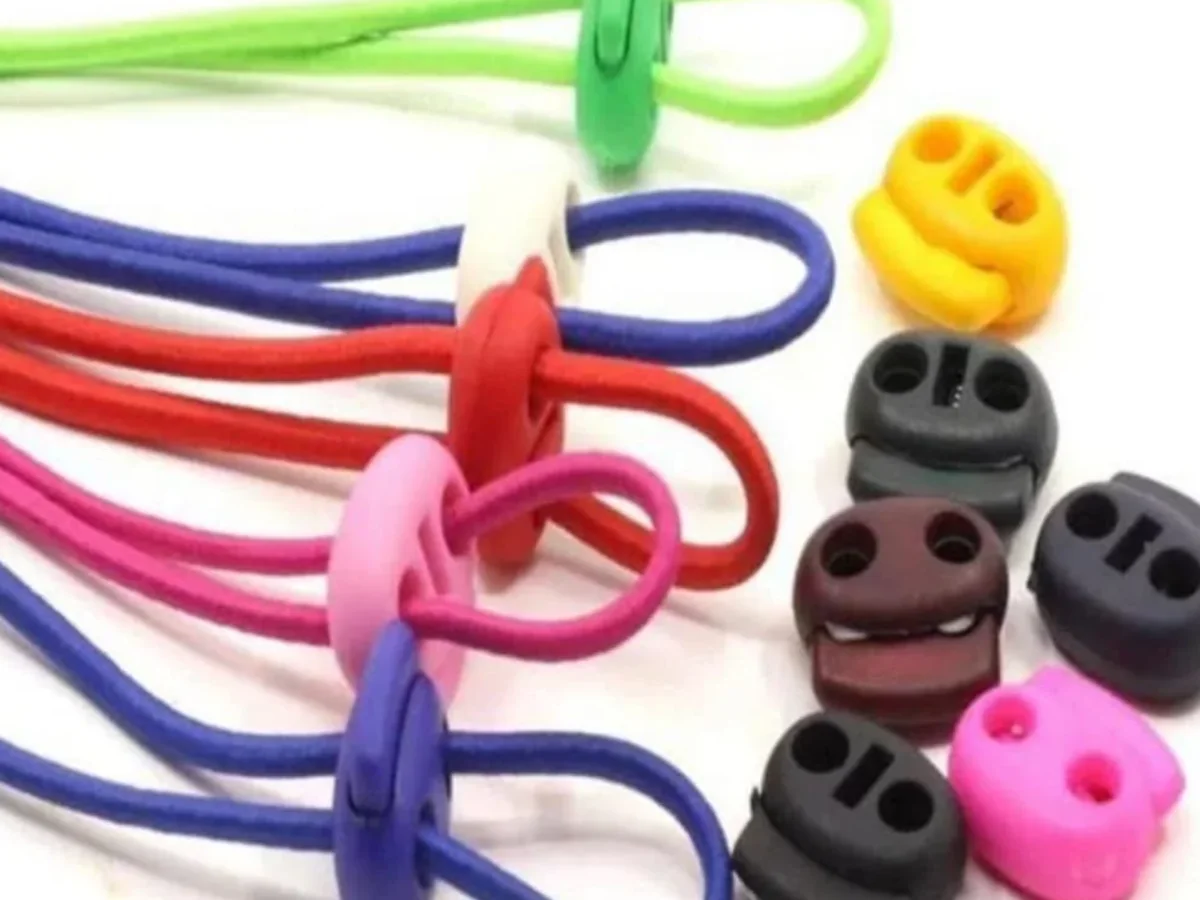
Textile cord systems work best when the cord, cord lock, end fitting and attachment are engineered together. Compatibility affects adjustment force, holding, durability and visual quality. This guide is designed to help purchasing, product-development and production teams separate the key technical criteria and move directly to the relevant Bilge Örme product pages.
List the cord, eyelet or channel, cord lock, end fitting and anchoring method. A mismatch at any one interface can reduce performance even when each component looks correct by itself.
Round cords run smoothly through many locks, while flat cords can create a different visual and contact behavior. The available space and desired user feel should determine the profile.
Hole size, spring force and internal gripping surface determine how a cord lock behaves. The lock should hold at working load but remain easy enough to operate for the intended user.
Visible cord systems often support the product’s design language. Matching cord, lock and end-fitting colors can create a more integrated appearance, while contrasting details can be used intentionally.
Cycle the complete system through tightening, loosening, loading and environmental exposure where relevant. This reveals wear and compatibility issues before the parts are committed to volume production.
Size, surface, working stretch, recovery, sewing or connection method and the final operating conditions should be evaluated together. When replacing an existing component, a physical sample and real use case provide the strongest reference.
It is better to select cord and accessories together because diameter and surface directly affect hardware performance.
Yes where the geometry and application requirements are compatible.
Ideally the intended cord, cord lock, end fitting and any representative channel or eyelet used in the final product.

Our content is prepared around Bilge Örme product families and production-focused field experience to support better product selection. Order-specific technical values should be confirmed against the sample and project conditions. Review our technical content policy and production and quality approach.
Talk directly with the manufacturer about recurring production, custom colors, winding and packaging requirements.