Polyester-based constructions
Polyester is widely used because it offers consistent processing, color options and practical durability for many apparel, accessory and technical textile applications.
The yarn surrounding an elastic core influences appearance, touch, abrasion behavior and moisture response. Polyester, other synthetic yarns and cotton-containing constructions each create different trade-offs.
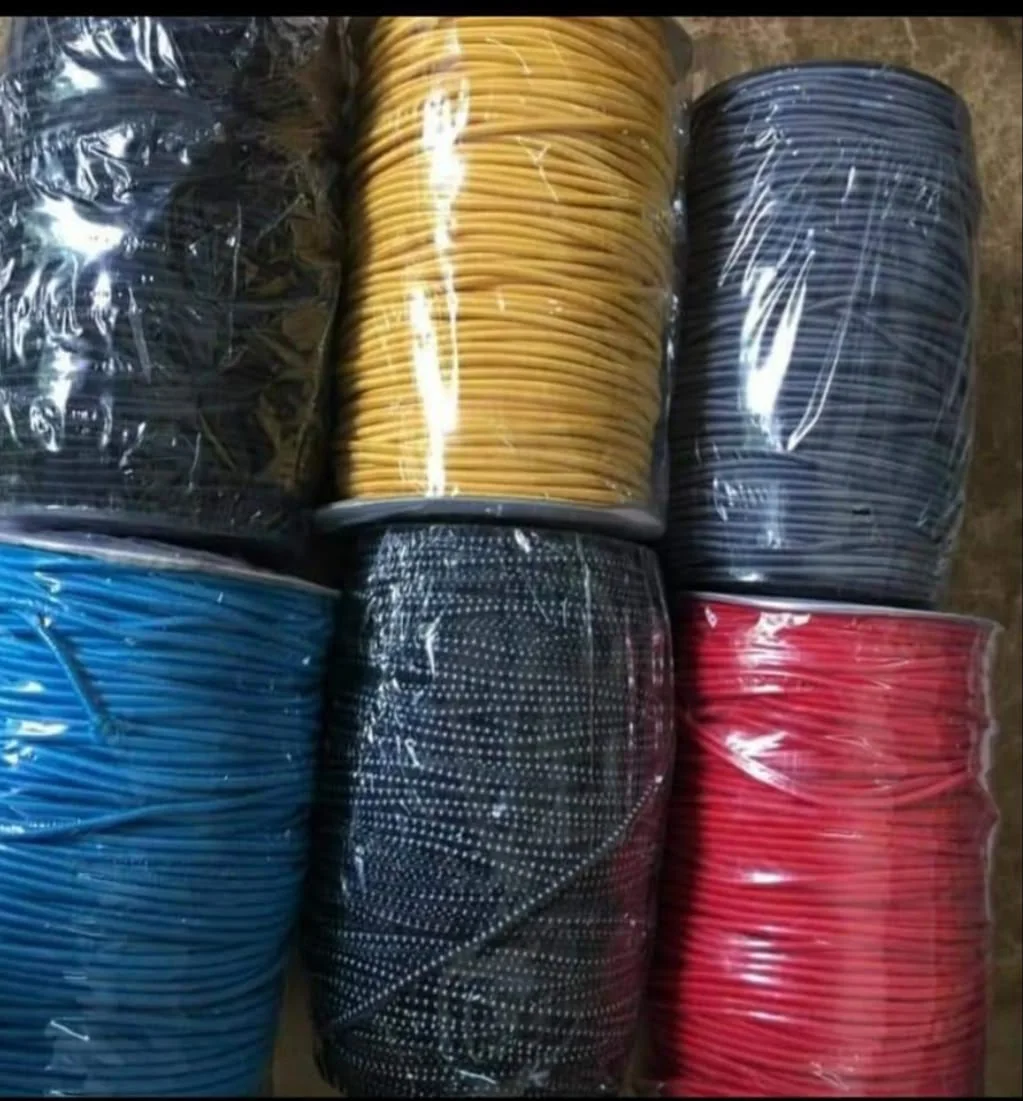
The yarn surrounding an elastic core influences appearance, touch, abrasion behavior and moisture response. Polyester, other synthetic yarns and cotton-containing constructions each create different trade-offs. This guide is designed to help purchasing, product-development and production teams separate the key technical criteria and move directly to the relevant Bilge Örme product pages.
Polyester is widely used because it offers consistent processing, color options and practical durability for many apparel, accessory and technical textile applications.
Different synthetic yarns can change sheen, hand feel, abrasion behavior and production characteristics. The exact benefit depends on the yarn type and textile construction rather than the broad “synthetic” label.
Cotton can provide a more natural surface character and different moisture feel, but durability, drying and color behavior should be evaluated for the final use and care process.
The cover yarn does not by itself determine stretch force. Latex or another elastic core, its quantity and the braid or weave construction all contribute to working tension and recovery.
Consider skin contact, abrasion, washing, moisture, color, visual finish and technical performance. Approve a representative sample instead of choosing only from a fiber name.
Size, surface, working stretch, recovery, sewing or connection method and the final operating conditions should be evaluated together. When replacing an existing component, a physical sample and real use case provide the strongest reference.
Performance depends on the full construction and use environment; polyester often offers practical abrasion and moisture advantages, but the application should decide.
It can change surface feel, but softness also depends on yarn count, weave and elastic force.
No. The elastic core and textile construction are major contributors to stretch and recovery.
Our content is prepared around Bilge Örme product families and production-focused field experience to support better product selection. Order-specific technical values should be confirmed against the sample and project conditions. Review our technical content policy and production and quality approach.
Talk directly with the manufacturer about recurring production, custom colors, winding and packaging requirements.